

- March 4, 2026
- By ideaseakers1@gmail.com
- Uncategorized
Low vs. Bright Lighting is not one-size-fits-all. Different commercial spaces require different lighting levels to optimize safety, productivity, comfort, and energy efficiency. Yet many facility managers struggle to understand the difference between low and bright lighting, and when each is appropriate. At Sunshine Lighting Group, we help businesses choose the right lighting levels for their specific needs, and upgrade to modern LED systems that provide optimal illumination at zero cost.
Here’s what you need to know about low versus bright lighting and how to choose the right level for your facility.
Understanding Lighting Levels: Lumens and Lux
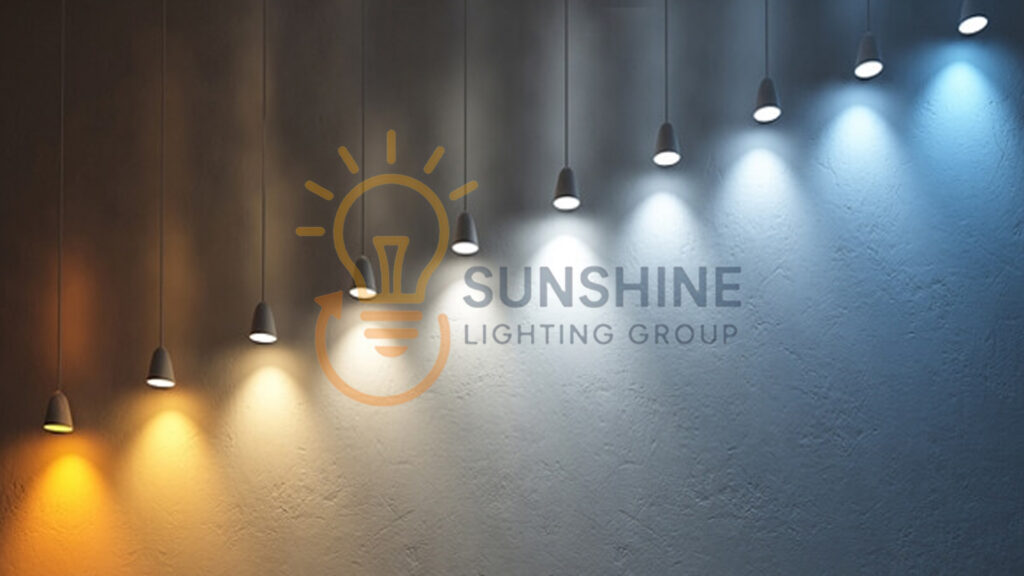
Before comparing low and bright lighting, it’s important to understand how we measure light:
Lumens: The total amount of light produced by a fixture. More lumens = brighter light.
Lux: The amount of light falling on a surface, measured per square meter. This is the standard used to determine appropriate lighting levels for different spaces.
Foot-candles: The American equivalent of lux (1 foot-candle ≈ 10.76 lux).
Different spaces require different illumination levels based on the activities performed there. Industry standards define appropriate lighting levels for various commercial applications.
Low Lighting: When and Why It’s Appropriate
Low lighting typically ranges from 50-200 lux and is appropriate for specific commercial applications:
Appropriate Uses for Low Lighting
Parking Garages and Lots: While safety is important, parking areas typically use 50-100 lux. This provides adequate visibility for vehicle navigation without excessive energy consumption.
Stairwells and Corridors: Low-traffic areas like stairwells typically use 100-150 lux. This provides adequate safety illumination without wasting energy in rarely-used spaces.
Storage Areas: Warehouse storage zones with minimal activity typically use 100-150 lux. Workers don’t spend extended time in these areas.
Restrooms: Bathrooms typically use 150-200 lux. This provides adequate visibility for personal care without excessive brightness.
Break Rooms and Lounges: Casual gathering spaces typically use 150-200 lux. Lower lighting creates a relaxing atmosphere.
Hallways and Transition Spaces: Hallways typically use 100-150 lux. This provides adequate wayfinding without excessive brightness.
Benefits of Appropriate Low Lighting
Energy Efficiency: Lower illumination levels consume less energy, reducing operational costs.
Comfort in Appropriate Spaces: In areas where lower lighting is appropriate, bright lighting can feel harsh and uncomfortable.
Reduced Light Pollution: Lower lighting levels reduce external light pollution and environmental impact.
Cost Savings: Lower lighting levels mean lower energy bills and reduced maintenance costs.
Problems with Inadequate Low Lighting
Safety Hazards: If low lighting is too low for the activity, it creates safety risks. Inadequate visibility increases accident risk and liability.
Poor Visibility: Workers cannot see clearly, leading to errors and reduced productivity.
Eye Strain: Workers strain to see in inadequate lighting, causing fatigue and discomfort.
Reduced Productivity: Inadequate lighting reduces worker productivity and effectiveness.
Liability Exposure: Inadequate lighting increases accident risk and liability exposure for facility owners.
Bright Lighting: When and Why It’s Appropriate
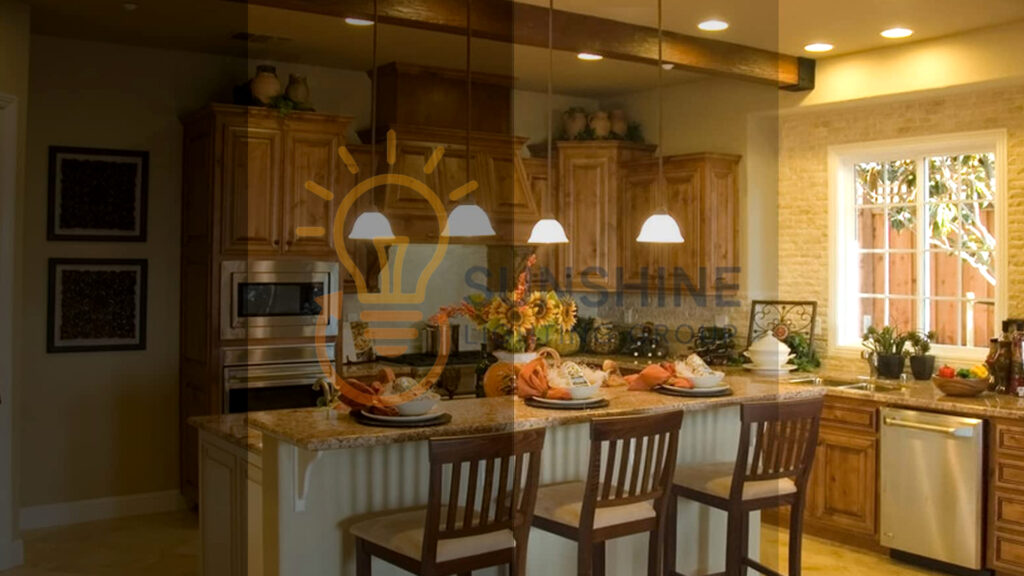
Bright lighting typically ranges from 300-1000+ lux and is appropriate for tasks requiring high visibility:
Appropriate Uses for Bright Lighting
Offices and Workstations: Office areas typically use 300-500 lux. This provides adequate visibility for computer work and detailed tasks.
Classrooms: Educational spaces typically use 300-500 lux. This supports student focus and learning.
Retail Spaces: Retail environments typically use 500-750 lux. Bright lighting helps customers see products clearly and improves sales.
Warehouses and Distribution Centers: Main warehouse areas typically use 300-500 lux. This provides visibility for picking, packing, and inventory management.
Gymnasiums and Athletic Facilities: Sports facilities typically use 500-1000+ lux. Bright lighting is essential for safety during athletic activities.
Operating Rooms and Medical Facilities: Medical spaces typically use 500-1000+ lux. Bright, consistent lighting is critical for safety and accuracy.
Manufacturing and Assembly: Production areas typically use 500-1000+ lux. Bright lighting is essential for quality control and worker safety.
Inspection and Quality Control: Areas where detailed inspection is required typically use 750-1000+ lux. Bright lighting enables accurate inspection.
Benefits of Appropriate Bright Lighting
Improved Safety: Bright lighting reduces accident risk and improves worker safety in demanding environments.
Enhanced Productivity: Better visibility improves worker productivity and accuracy. Studies show 5-10% productivity improvements with appropriate lighting.
Reduced Errors: Bright lighting reduces mistakes and improves quality control.
Improved Visibility: Workers can see clearly, improving focus and effectiveness.
Professional Appearance: Bright, well-lit spaces appear professional and well-maintained.
Better Customer Experience: In retail and customer-facing spaces, bright lighting improves customer experience and sales.
Problems with Excessive Bright Lighting
Energy Waste: Excessive bright lighting consumes unnecessary energy and increases operational costs.
Glare and Eye Strain: Overly bright lighting creates glare and eye strain, reducing comfort and productivity.
Heat Generation: Excessive bright lighting generates heat, increasing HVAC cooling costs.
Discomfort: In spaces where lower lighting is appropriate, excessive brightness feels harsh and uncomfortable.
Wasted Resources: Providing more light than necessary wastes energy and money.
Comparison: Low vs. Bright Lighting
| Factor | Low Lighting (50-200 lux) | Bright Lighting (300-1000+ lux) |
| Energy Consumption | Low | Higher |
| Visibility | Limited | Excellent |
| Safety | Adequate for low-activity areas | Essential for demanding tasks |
| Productivity | Adequate for casual spaces | 5-10% improvement in work areas |
| Comfort | Relaxing in appropriate spaces | Professional in work areas |
| Cost | Lower energy bills | Higher energy bills |
| Eye Strain | Minimal if appropriate | Minimal if appropriate |
| Appropriate For | Parking, hallways, storage | Offices, retail, warehouses, gyms |
How Modern LED Lighting Optimizes Illumination Levels
Traditional lighting systems offer limited control over illumination levels. You either have the lights on or off. Modern LED systems provide precise control:
Dimming Controls: LED systems include dimming controls that allow you to adjust brightness from 0-100%. This lets you provide exactly the right illumination level for each space and activity.
Occupancy Sensors: Motion sensors automatically turn lights off in unoccupied spaces and reduce brightness in low-activity areas, saving energy without compromising safety.
Daylight Harvesting: In spaces with windows, daylight sensors automatically reduce artificial lighting when natural light is available, optimizing energy use.
Time-Based Controls: Lighting can be programmed to adjust brightness based on time of day, supporting natural circadian rhythms and reducing energy waste.
Task-Based Lighting: Different areas can have different lighting levels optimized for specific tasks, improving both performance and energy efficiency.
How Sunshine Lighting Group Optimizes Your Lighting Levels
We help facilities choose the right lighting levels for each space and upgrade to modern LED systems that provide optimal control:
Step 1: Comprehensive Lighting Assessment
We evaluate your entire facility and identify opportunities to optimize lighting levels for each space.
Step 2: Custom Lighting Design
We design a custom LED system that provides appropriate lighting levels for each space, optimizing both performance and energy efficiency.
Step 3: Modern LED Installation
We install modern LED systems with dimming controls, occupancy sensors, and time-based controls that allow precise management of lighting levels.
Step 4: Rebate Coverage
We manage the entire rebate process, ensuring you get maximum rebate coverage for your LED upgrade.
Step 5: Ongoing Support
We provide ongoing support to help you optimize lighting levels and maximize energy savings.
Next Steps: Get Your Free Lighting Assessment
Ready to optimize your facility’s lighting levels? Here’s what to do:
- Call Sunshine Lighting Group: +1 347-542-6360 (available 24/7)
- Describe your facility: Building type, size, and current lighting
- Get your free assessment: Within 24 hours, we identify optimization opportunities
- Schedule your upgrade: If you qualify, we handle everything else
Sunshine Lighting Group: Optimized Lighting Levels. Zero Cost. Maximum Performance.
References
[1] Illuminating Engineering Society – Recommended Lighting Levels – https://www.ies.org/
[2] U.S. Department of Energy – Lighting Design Guidelines – https://www.energy.gov/energysaver/led-lighting
[3] OSHA – Workplace Lighting Standards – https://www.osha.gov/dsg/naics-4/
[4] American Society of Heating, Refrigerating and Air-Conditioning Engineers – Lighting Standards – https://www.ashrae.org/
[5] International Commission on Illumination – Lighting Standards – https://cie.co.at/
Comment (1)
8usgameclub
May 16, 2026Alright folks, 8usgameclub is where it’s at if you’re looking for some fun online gaming. I’ve been playing here for a while, and honestly, it’s pretty decent. Check them out at 8usgameclub.