A commercial LED lighting proposal should explain what will change in your building, how the work will be carried out and what you will pay. For New Jersey business owners and property managers, a useful comparison separates the lighting scope from utility incentives and any repayment arrangement.
Start with the same building information
Give each contractor the same service address, existing fixture inventory, operating hours and areas that need attention. Include ceiling heights, racking, occupied workstations and access restrictions. Use our commercial lighting assessment checklist to organize the information. A price comparison is less useful when the proposals cover different quantities or work areas.
Compare six parts of the proposal
- Included work: Confirm fixture quantities, locations, replacement or retrofit approach, removal of existing equipment and any electrical work included. Ask which areas and tasks are excluded.
- Equipment: Request fixture model numbers, input wattage, light distribution, mounting details and the applicable manufacturer warranty. Ask how the selection fits the tasks and conditions in your space.
- Controls: Identify the proposed sensors, dimming or schedules, the areas they control and how staff will operate them. Ask who sets the controls and explains their use at handover.
- Installation: Discuss lift access, occupied routes, work sequencing, expected interruptions and site responsibilities. Have scheduling assumptions recorded in the proposal.
- Funding and payment: Separate the installed cost, expected utility incentive, customer contribution and any financed amount. Confirm what remains subject to utility review and when payments are due.
- Completion records: Ask which equipment, warranty, control-setting and inspection documents you will receive. Keep them with the agreed scope for future maintenance.
Distinguish incentives from financing
An incentive reduces eligible project costs. Financing changes when a remaining amount is paid. An arrangement with no upfront payment is not necessarily a no-cost installation.
PSE&G describes incentives and potential on-bill repayment in its Direct Install program. Other utilities have their own requirements and funding routes. Read our New Jersey utility lighting incentive guide and confirm the terms applicable to your account before committing to work.
Check how projected savings were calculated
Ask for the existing and proposed lighting wattages, fixture counts, operating hours and electricity-rate assumptions. Separate estimated lighting-energy savings from changes to the whole utility bill. Controls, changes in operating hours and other building equipment can affect the result. A forecast is an estimate, not a guarantee of future bills.
Apply the comparison to your property
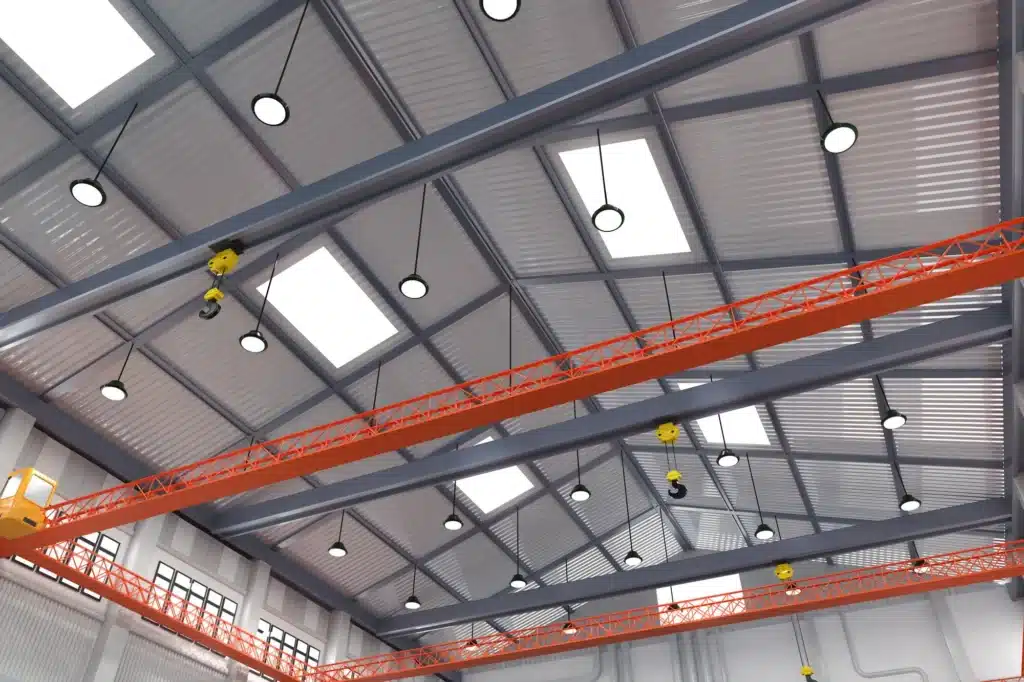
For warehouse lighting upgrades, check that aisles, loading zones and workstations are addressed individually. For managed commercial properties, keep the scope, utility account, approvals and costs separate for each location.
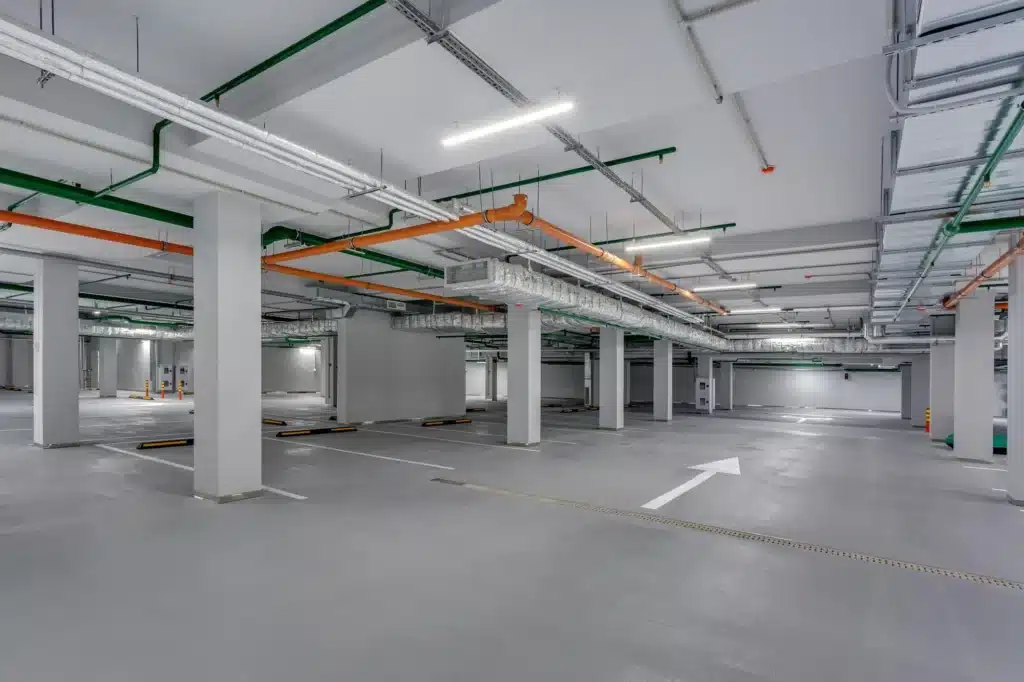
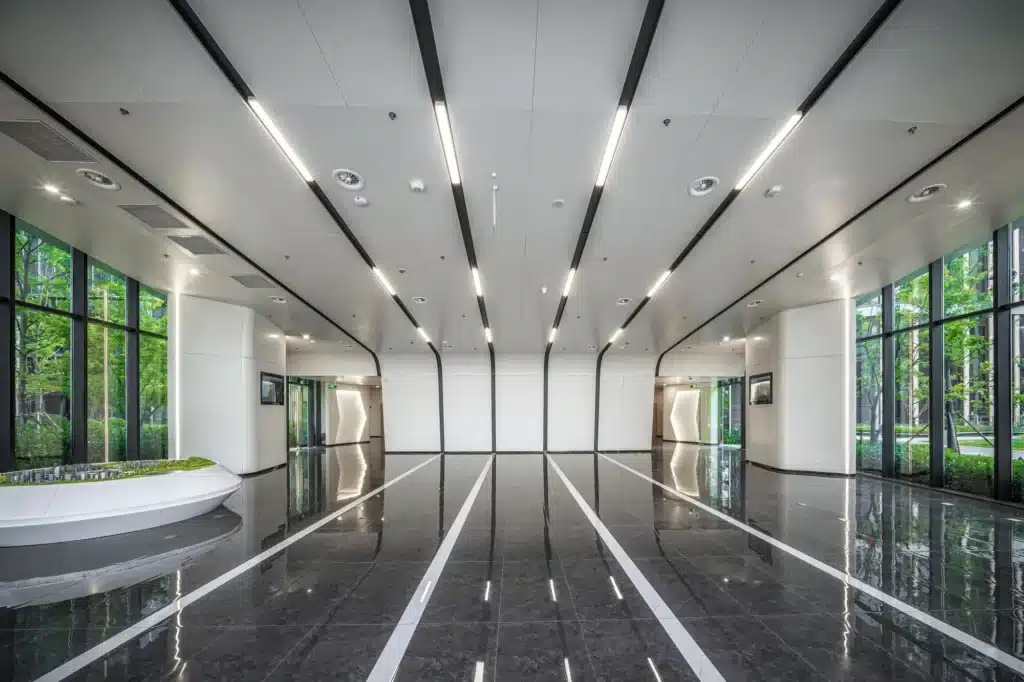
Use real site photographs to explain the spaces under review, but compare the proposal against your own walkthrough inventory. Another building’s fixture layout, incentive or installation cost does not establish what your building needs.
Before you approve the work
Resolve differences in quantities, equipment, exclusions, access and funding in writing. Confirm any required program review or approval before purchasing equipment or starting installation. Our project review process explains the next steps.
Request a free commercial lighting assessment or call 833-718-0099 to discuss a New Jersey property.